
Over 50% of people worldwide live in cities and population growth means that figure is only going to increase.
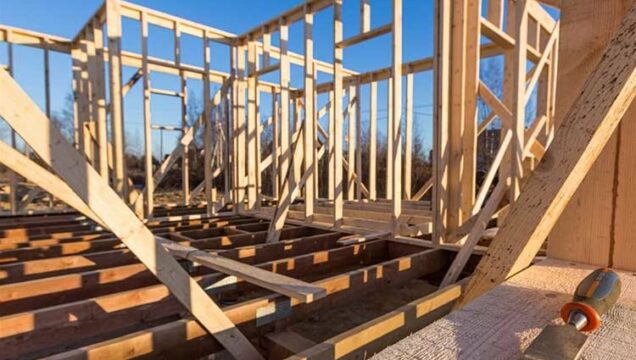
Currently, cities rely heavily on steel and concrete for their buildings, but both materials can provide poor outcomes for the environment. A new study suggests that timber frame structures could slow urban construction’s impact on climate change.
//Savings of 100 billion tons of CO2 emissions
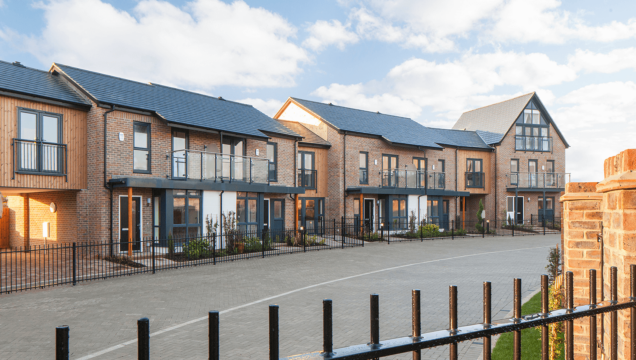
The study suggests that using timber frame structures to build mid-rise developments is one of the most effective ways to build cities more sustainably. This could save 100 billion tonnes of CO2 emissions by 2100.
The beauty of wood is that it’s the most sustainable building material available. Coupled with the developments in technology that make it even more effective for buildings with 4 to 12 storeys, it could be very viable for cities of the future.
//‘Wood plantations’ to meet demands and maintain existing forests
Another aspect of the study looked at how we could use timber to meet the needs of housing a growing urban population. They addressed a common concern of using wood as a building material by avoiding deforestation as much as possible.
Instead, the study suggests that ‘wood plantations’ would be able to meet much of the demands that timber cities would put on the construction industry. This means less impact on the biodiversity of forests and farmland, with wood farmed more responsibly.
//What are the other benefits?
Timber frame structures aren’t just good for the environment; they have plenty of benefits as building materials in their own right.
Modern technology in timber construction means there’s never been a better time to build with wood. For example, all timber frame structures have the 60-year design life required to meet regulations.
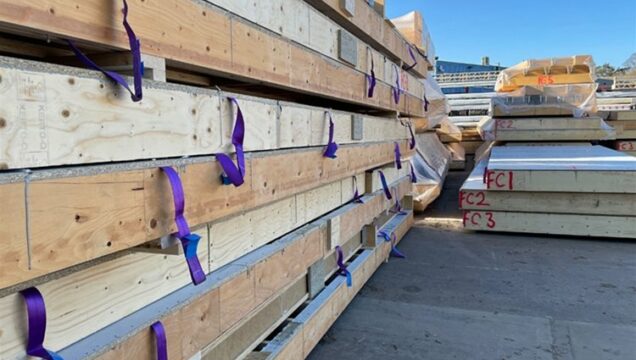
Thanks to pre-fabrication, timber frames can also save a project time and money. Whether bespoke or from a production line, timber structures are made in factories with strict quality checks. Since they’re made beforehand, erecting the structure on-site saves time and money.
//Find out more
Could timber frame structures be the solution for your next project? Whether it’s to reduce your environmental impact or to make the most of their unique benefits, we can help.
Pinewood Structures has more than 40 years of experience delivering high-quality timber construction solutions for all different projects.
Find out more by calling us on 01767 651218 or filling out our contact form. Our friendly team would be happy to answer any questions you have